This article is part of Food Tank’s primer series, “Food Tank Explains.” Each installment unpacks the ideas, innovations, and challenges shaping today’s food and agriculture systems, offering clear insights into complex topics. To explore more articles in the series, click here.
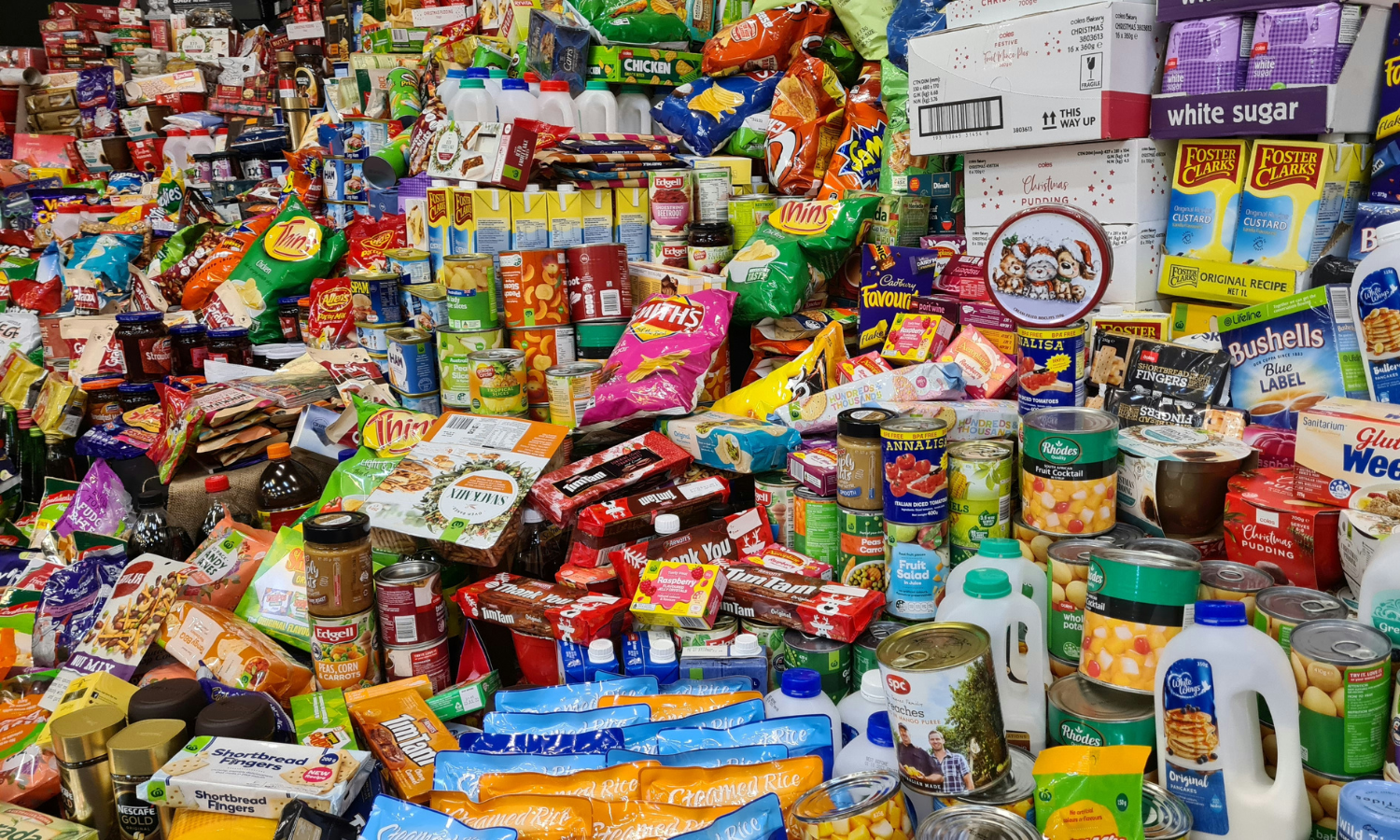
Ultra-processed foods (UPFs) are products constructed from industrially produced ingredients and substances that are typically not available for home cooking. UPFs are designed to be hyperpalatable, conveniently accessible, and highly profitable, and include a wide range of commonplace items from soft drinks, chips, and packaged bread to jarred sauces, cereals, and ice cream.
Over the past century, traditional dietary patterns centered on minimally processed foods have gradually given way to diets dominated by ultra-processed items. UPFs make up around 75 percent of the U.S. food supply and more than half of the calories consumed by adults in high-income countries. Among children, and households with lower income and education levels, the rates are higher.
The rise of UPFs is displacing unprocessed or minimally processing foods and long-established dietary patterns, driving the rise of multiple diet-related chronic diseases globally.
Food processing has existed throughout human history. Global communities froze foods to prolong storage times, fermented foods with salt to improve nutrition, and preserved foods in honey or sugar to create new tastes and textures. Unlike historically processed foods, ultra-processed products are not simply altered whole ingredients but are manufactured from refined components and additives.
NOVA, the most widely used food classification system, does not define UPFs as food, but as industrial formulations. UPFs are composed primarily of chemically modified and industrially produced ingredients generally unavailable in home kitchens, like protein isolates or concentrates, hydrogenated fat, and modified starches.
They typically contain additives to enhance taste, texture, appearance, and preservatives to extend shelf-lives and undergo processing techniques that leave the final products bearing little resemblance to the original ingredients.
The ingredients and processes used to manufacture ultra-processed foods make them highly convenient and appealing, but often low in nutritional quality and liable to be over-consumed. UPFs are typically high in added sugars, sodium, modified starches, and saturated fat, and low in fiber, micronutrients, and phytochemicals.
UPFs are designed to be exceptionally appealing to the human palate, and their composition can stimulate the brain’s reward system and overrides satiety signals, making it difficult to stop eating. A study published in Cell Metabolism compared the effects of consuming two nutritionally similar diets differing only in their degree of processing. Participants assigned to an ultra-processed diet ate about 500 more calories per day and gained about 2 pounds more than those on the unprocessed diet.
Ultra-processed foods are associated with worse diet quality and a long and growing list of adverse health outcomes. Multiple studies link greater exposure to ultra-processed food with increased risk of cardiovascular disease, obesity, type 2 diabetes, colorectal cancer, and anxiety and depression, demonstrating adverse outcomes across nearly all organ systems.
Food processing is not inherently dangerous, and certain processing methods offer clear benefits. Pasteurization improves food safety and processes like freezing and canning can reduce food waste. Fortified foods, like milk with added vitamin D to aid calcium absorption or cereal enriched with fiber, can improve nutrition and address deficiencies. And some processed foods like whole-grain brain, yogurt, and baked beans are associated with a reduced risk of chronic disease like diabetes and obesity.
Consumers should limit UPFs in their diets, but also understand that there is nuance, says Dr. David Seres, director of medical nutrition and professor of medicine in the Institute of Human Nutrition at Columbia University Medical Center.
Most global policies aimed at reversing the rise of UPFs worldwide have focused on reducing consumption of foods high in added fats, sugar, and sodium, many of which are UPFs. But public health experts have called for stronger and broader policies that provide clear dietary guidance and health objectives, warning labels, and consumer education.
And Marion Nestle, Professor Emerita at New York University, highlights the need for legal authority to regulate television and social media advertising, retail product placements, sales and service in schools, and other promotions directed toward children. UPF marketing, Nestle says, “must be stopped.”
Articles like the one you just read are made possible through the generosity of Food Tank members. Can we please count on you to be part of our growing movement? Become a member today by clicking here.
Photo courtesy of Nico Smit