
Australia is cracking down on food waste, COP31 eyes clean energy solutions, and new research reveals that resilience built by agricultural co-ops.
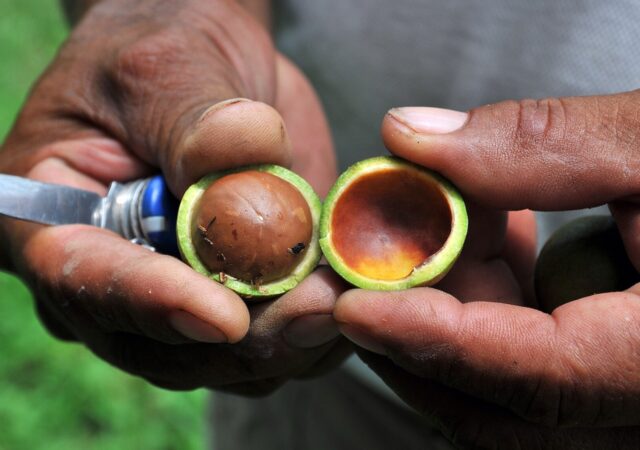
IFAD Boosts Investments in Rwanda Nut Company’s Farmers
Macadamia farmers stand to gain from a new partnership focused on sustainable agriculture and farmers livelihoods.

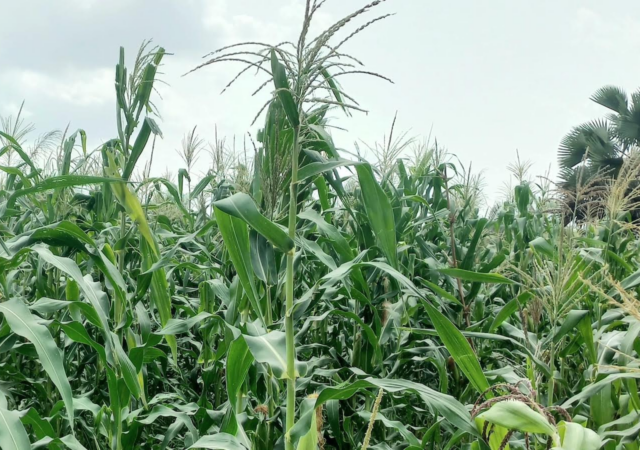
Researchers Say Crops That Nourish Can Transform African Farming
A “Crops that Nourish” strategy can reshape farming across sub-Saharan Africa by centering nutrition, resilience, and community voices.
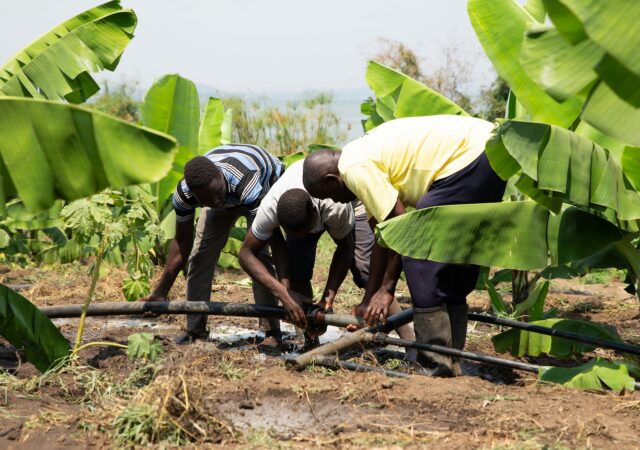
On the Ground with Dani Nierenberg: To Roundup or Not to Roundup
Farmers are experimenting with conservation agriculture and debating the role of fertilizers and herbicides in building resilience.

The Power of Local Knowledge: ANAPRI’s Vision for African-Led Food Systems Solutions
A resilient food future starts with local solutions.

More than a Meal: Forti Foods’ Mission to End Malnutrition with Dignity
Forti Foods is tackling malnutrition with fortified meals that are designed to empower communities.
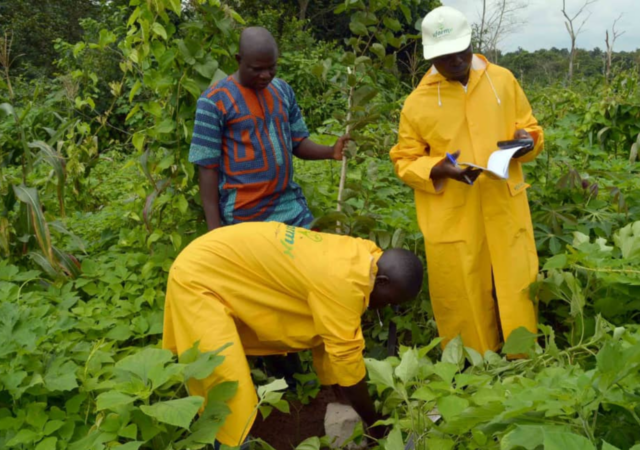
UfarmX Offers Data-Driven Support for Small Farmers in Africa
Discover how UfarmX is changing the landscape of organic farming in Africa to help small farmers thrive.

VACS Is Going Back to Basics for a Climate Resilient Future
An initiative from the Special Envoy for Global Food Security aims to boost agricultural productivity and nutrition by developing diverse, climate-resilient crop varieties and building healthy soils.

Building Power in Food Systems through Social Cohesion: ‘You Have to Mobilize Together’
Million Belay believes in a model for food systems that is grounded in communities, promoting a goal of food sovereignty
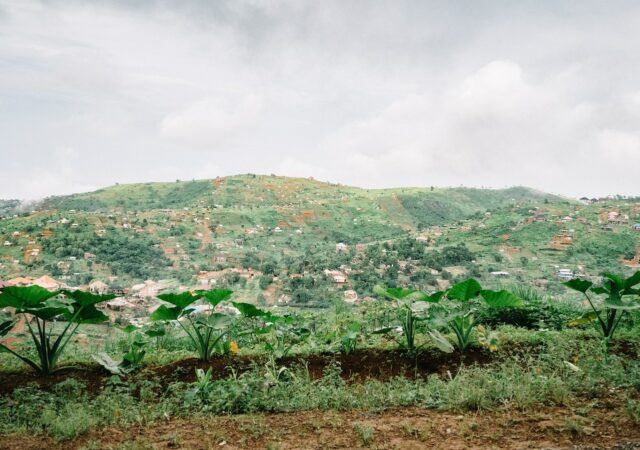
Op-Ed: It’s Time for the World to Invest in African Agri-Food Innovations and Innovators
When local stakeholders have necessary knowledge and resources, they are best positioned to inspire adaptation on farms and in agricultural value chains.
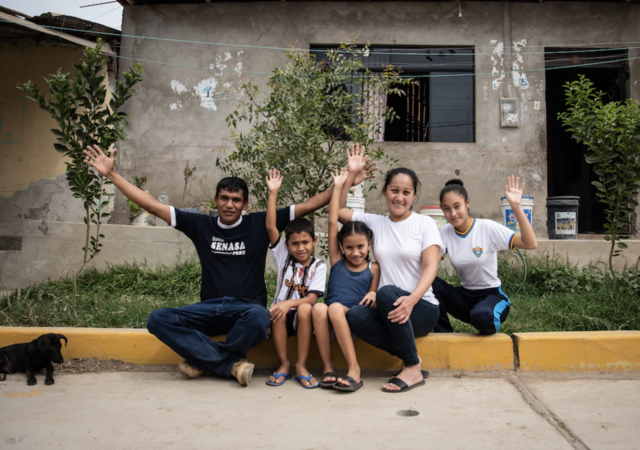
The Small Farmer Atlas: Learning Lessons from the Original Influencers
The Small Farmer Atlas is an invitation to companies, policymakers and non-profit organizations to center the perspectives of small-scale farmers in the design of procurement processes and sustainability policies.
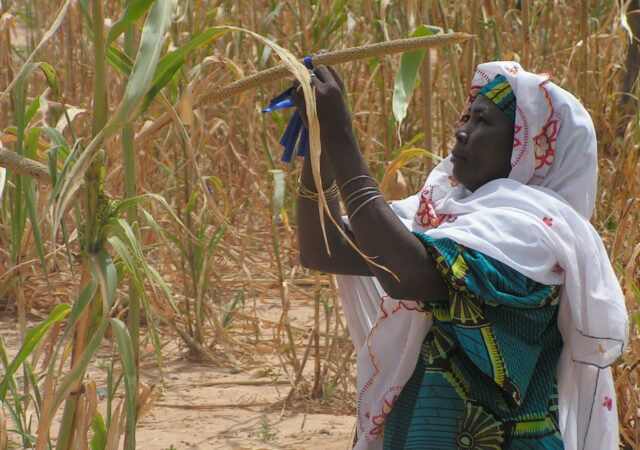
The Power of Millets and Farmer Research Collaboration
Traditional farming practices have nourished communities for thousands of years. Learning from these techniques can lead to sustainable, equitable solutions to feed the world.
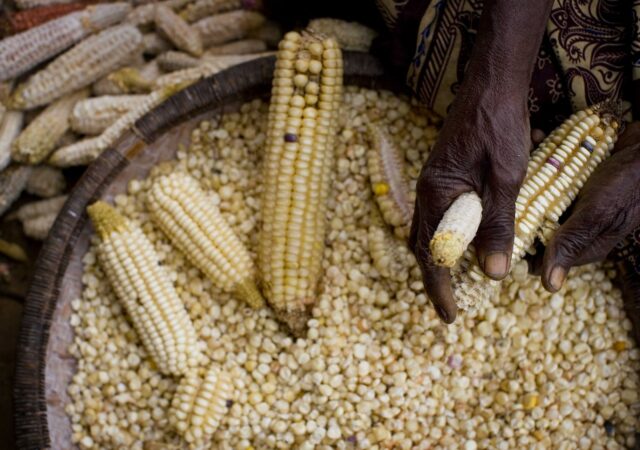
Op-Ed: Unfair Food Prices Are Driving Hunger and Malnutrition in Africa—But Solutions Are in Reach
Even as food prices on the international market decline, the prices paid by consumers continue to soar. Meanwhile, many food companies are announcing record profits.
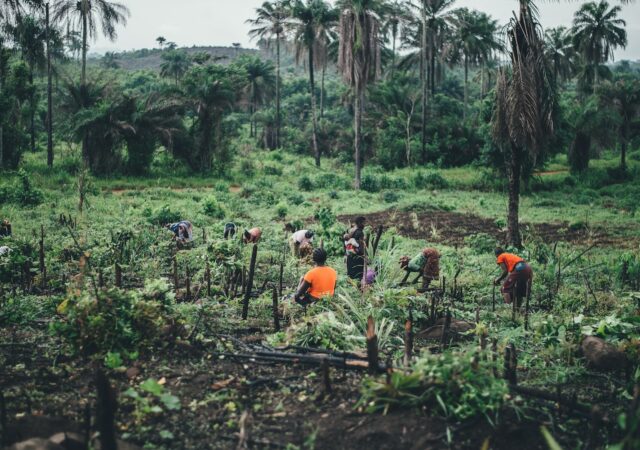
Hunger Is Getting Worse. After Visiting Africa, I’m Reminded How Solving Hunger Means Empowering Women
Investments in women in food and agriculture are critical to breaking the cycles of hunger, poverty, and gender discrimination.
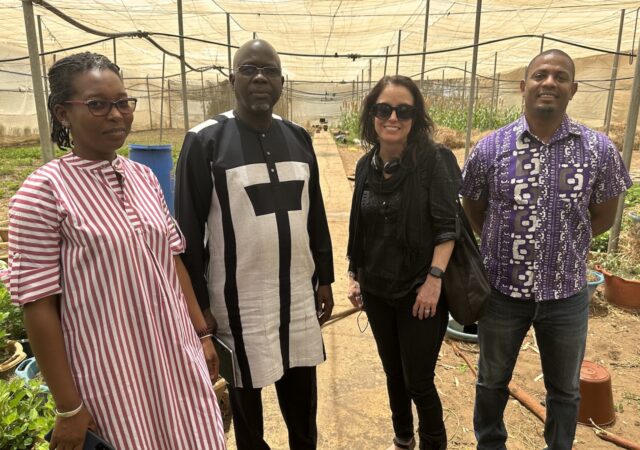
Farmers Are Knowledge Producers Too. It’s Past Time We Listen to Them
Too often, researchers do the science and then bring farmers in after—unsurprisingly, their efforts are rarely successful.
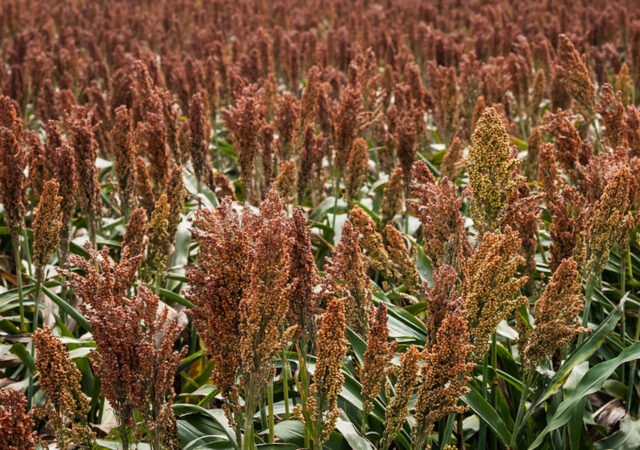
Building Resilience in West and Central Africa: How CORAF Supports the Co-Creation of Local Solutions
CORAF works directly with farmers to develop solutions, enabling communities to own the process and the results.
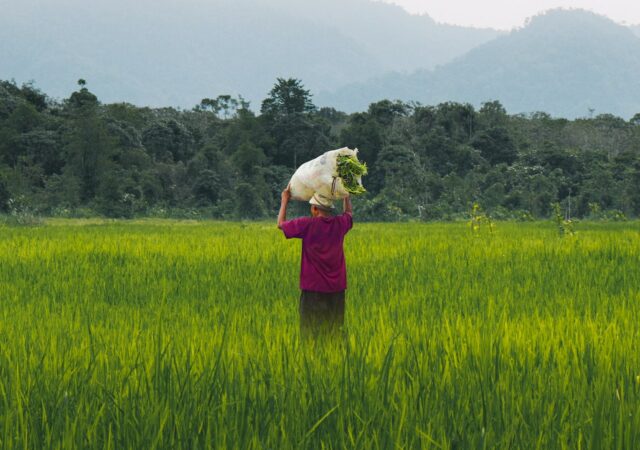
123 Food and Agriculture Organizations to Watch in 2023
Keep an eye on these 123 organizations that are pushing for better food and agriculture systems.
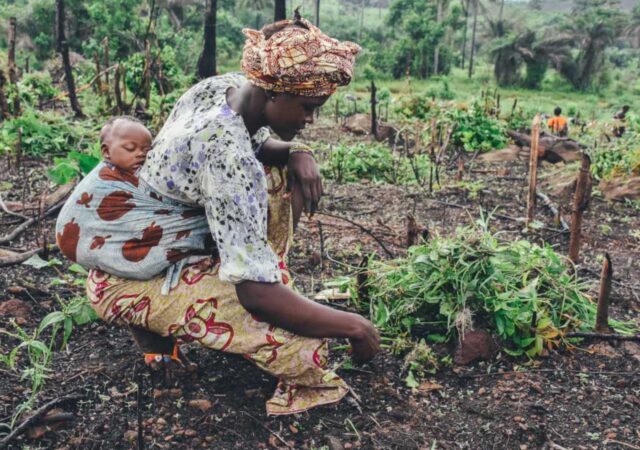
Film Series Says Out with Industrial Agriculture, in with Agroecology in Africa
The benefits of agroecology are backed by scientific evidence, but a recent film shows philanthropists continue to fund industrialized agriculture.
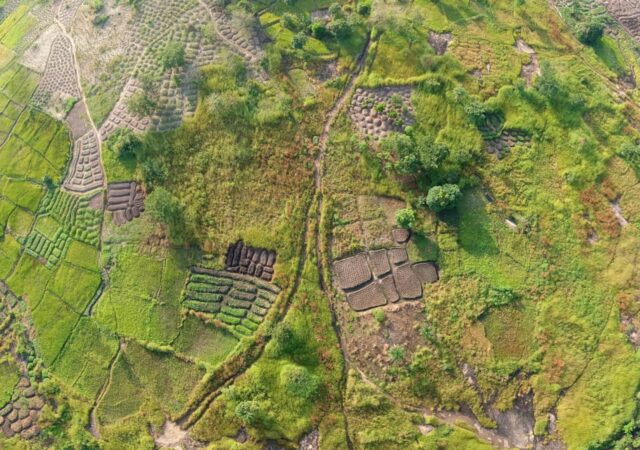
New Tool Aims to Strengthen Food Security in Africa
New applications of artificial intelligence show promise to better equip governments and NGOs for growing food security challenges in Africa.
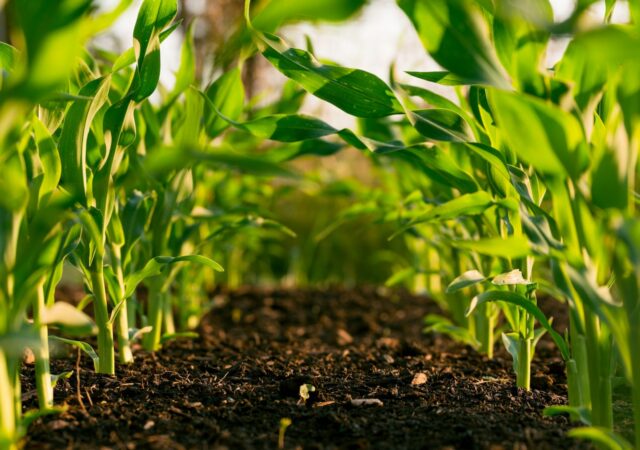
Agroecology Boosts Employment, Rural Economies, and Gender Relations in Africa
Interdisciplinary collaboration can help to expand agroecology, which has the potential to feed the growing population and sustainably nourish future generations.